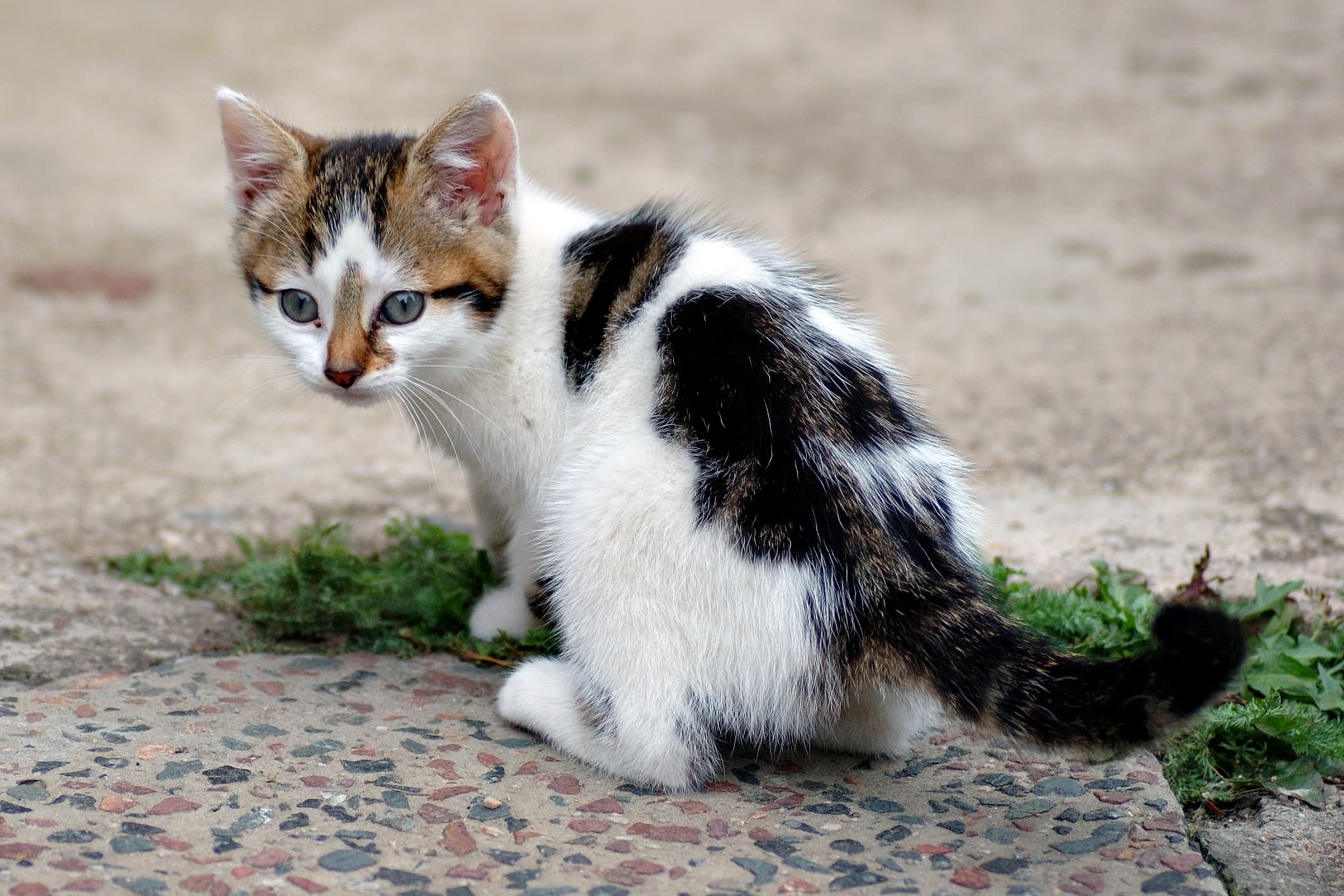
The most political question in the cat world
Ask a group of cat people one innocent question — “Does your cat go outside?” — and watch the room divide.
There are the freedom campaigners. The safety campaigners. The people who have turned their balcony into a feline penthouse. And, of course, the people whose cat made the decision years ago and never consulted management.
The indoor-versus-outdoor debate is fascinating because it is not only about cats. It is also about what we think a cat should be: explorer, family member, hunter, tiny child, local celebrity or independent tenant who happens to sleep on our bed.
The myth of the cat who always knows what they are doing
Cats look extraordinarily competent.
They climb fences, disappear behind sheds and return several hours later wearing the expression of someone who has just concluded delicate diplomatic negotiations.
That confidence encourages one powerful idea: cats are naturally equipped to manage the outside world.
And cats are excellent at reinforcing it. An animal who ignores your urgent call from the garden does not exactly give the impression of waiting for your risk assessment.
Then came the full-time family member
Modern cat culture has also moved in another direction. Cats increasingly live as close companions — photographed, insured, monitored, entertained and occasionally provided with furniture more expensive than our own.
That changes the question.
People install window screens, build catios, use GPS trackers and create climbing routes indoors. Then they feel guilty because the cat is staring through the glass at a pigeon like a tragic hero in a period drama.
Here lies the perfect human contradiction: the more we love cats, the more we struggle between two ways of showing it — giving them freedom and protecting them.
Cats have never signed our contract
One problem with the debate is that moral lectures rarely help.
Telling people they are “wrong” about the way they keep their cat tends to make them defend their choices, their home and possibly their entire neighbourhood.
Practical ideas work better: secure balconies, supervised garden time, vertical spaces, hiding places, play and carefully designed outdoor access where appropriate.
Cat people usually need useful options, not a courtroom speech.
And what does the cat want?
There is no single answer because cats are individuals.
One cat may spend an afternoon conducting negotiations with the back door. Another may regard the apartment hallway as an expedition into hostile territory.
Age, previous experience, temperament and environment all matter. A cat raised with outdoor access may have very different expectations from one who has always lived indoors with a warm windowsill, several beds and a highly attentive catering department.
Maybe the debate is really about us
The indoor-outdoor question has become a personality test for cat owners.
It reveals our urge to protect them and our fascination with their independence at the same time.
That may be the great charm of living with cats: we can buy the food, the bed, the toys and the insurance, but they never quite become ours in the way we imagine.
Five minutes later, they are sitting at the window looking as if another life is entirely possible.
And perhaps that is exactly why we love them.